










As the deepest and most liquid securities market worldwide, the U.S. Treasury market plays a critical role in the global economy. As Treasury Secretary Scott Bessent said in his remarks, “Maintaining a robust Treasury market—and strengthening it even further—is essential.”
To that end, the U.S. Department of the Treasury, the Board of Governors of the Federal Reserve System, the Federal Reserve Bank of New York, the U.S. Securities and Exchange Commission (SEC), and the U.S. Commodity Futures Trading Commission convened market participants, representatives from the official sector, and academics to discuss the Treasury market. This conference, held on November 12, marked the 11th convening of its kind.
This year’s conference included keynote addresses by Treasury Secretary Bessent, SEC Commissioner Mark Uyeda, and New York Fed President John Williams. It also had panel discussions on operational resiliency, the Treasury buyback program, and the implementation of the SEC’s central clearing mandate.
Throughout these discussions, three central themes emerged about the Treasury market’s evolution: resiliency, innovation, and preparation. In this article, we highlight these themes and describe how they are taking shape in different facets of the Treasury market today.
Operational Resiliency and Robustness
The depth and liquidity of the Treasury market depend on the smooth functioning of many different utilities and platforms on which Treasury securities are auctioned, traded, cleared, and settled. Throughout the conference, speakers addressed the centrality of operational resiliency and robustness from several perspectives, including technological resiliency, robust funding markets, and regulatory measures to reduce market risks.
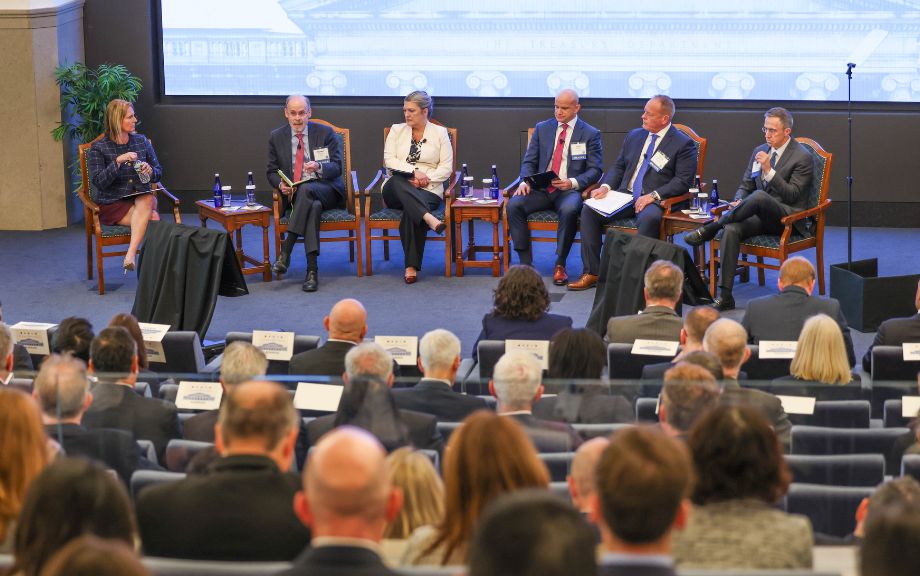
The first panel focused on measures taken by market participants to ensure the continued smooth functioning of markets amidst potential outages, building on learnings from past episodes. That discussion focused on ongoing efforts by the Securities Industry and Financial Markets Association and the Treasury Market Practices Group to establish best practices for reacting to an outage or cyber event at a critical market participant. These best practices highlight the importance of identifying contingent sources of liquidity and funding before an event, as well as establishing and testing communication protocols for such an event. Panelists from a dealer and clearing bank shared examples of procedures they’ve established, including frequent tabletop exercises and regular communications with counterparties, to implement the best practices. The panel also covered the official sector’s approach to these questions, focusing on efforts to identify and mitigate systemic cyber risks and better understand the role of AI in cybersecurity.
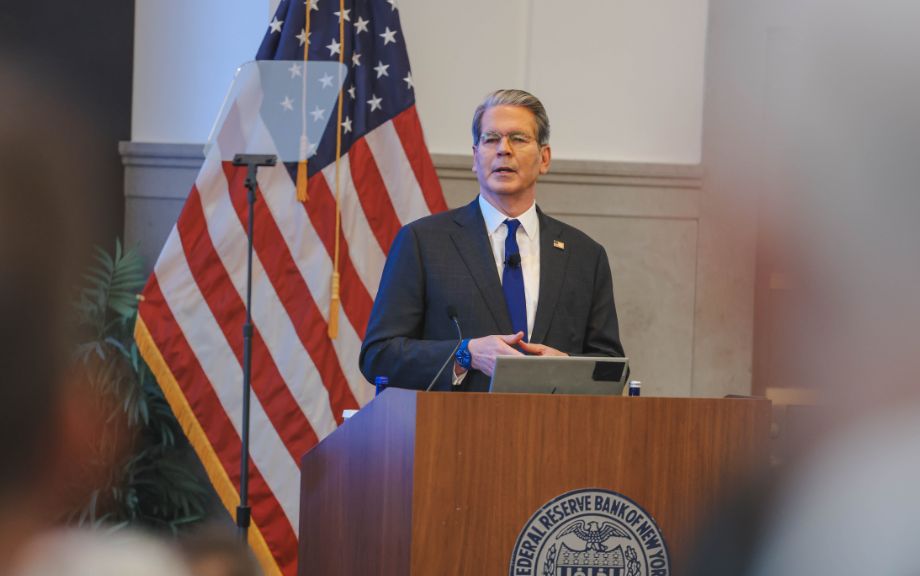
In his remarks, Secretary Bessent emphasized the importance of resiliency and highlighted progress made by the official sector. He called out efforts to enhance the Treasury’s buyback program and changes to supplementary leverage ratio regulations as creating opportunities for dealers to better intermediate Treasury markets and improve overall functioning. Building on the Secretary’s remarks, the second panel discussed improvements to the buyback program, including expanded purchase amounts and new operational counterparties, meant to support Treasury market liquidity and smooth functioning under all market conditions.
Commissioner Uyeda discussed how resiliency is central to the SEC’s thinking in instituting its central clearing mandate. He explained that centrally clearing trades will “bring important benefits such as potentially reducing bilateral exposures and improving transparency.” These measures can reduce counterparty risk and give participants confidence to transact under all market conditions.
Finally, System Open Market Account Manager Roberto Perli discussed the resiliency implications of maintaining orderly funding markets and explained how use of the Fed’s standing repo operations could contribute to it. “Stable, efficient, and well-functioning repo markets are in everyone’s best interest and vital for ensuring rate control,” he said, noting that the standing repo operations are “a crucial tool in supporting those objectives.” This smooth functioning in repo markets can prevent any stress from spilling over into the broader Treasury market.
Innovation in and around the Treasury Market
With financial market technology, infrastructure, and regulation evolving, market participants and officials continue to innovate in the Treasury market. Changes in official sector behavior, developments in market utility product offerings, and markets’ flexibility to adapt to new technologies were all discussed.
The panel on buybacks discussed how innovation in official actions can support resiliency and efficiency in markets. The panel outlined the innovative design and implementation of the program and reviewed its performance since launch last year. Panelists discussed how recent changes and adaptations to the program, including increased sizes and frequencies of purchase operations and new counterparties, provided more support. They also discussed innovations that could be rolled out in the future.
The panel on central clearing discussed several innovations in product offerings and regulatory treatment that are supporting the goals and implementation of the SEC’s central clearing mandate. Panelists focused on agent clearing and “collateral-in-lieu” models that creatively meet market participants’ requirements for enhanced balance sheet efficiencies and operational flexibility.
Secretary Bessent also discussed how innovation in other markets is impacting the Treasury market —specifically the effect of stablecoins on Treasury demand. As GENIUS Act-compliant stablecoins grow, stablecoin providers are expected to purchase Treasury bills. Bessent discussed how the Treasury Department is beginning to take that future growth in demand into consideration when undertaking their regular analyses on Treasury demand.
Preparation, Planning, and Proactive Thinking
In the fast-paced and multifaceted Treasury market, regulators and market participants need to be constantly prepared for any range of outcomes. At the conference, speakers discussed preparation and planning for monetary policy implementation, technology adoption, and regulatory change—and the importance of public-private sector collaboration in those areas.

President Williams and SOMA Manager Perli highlighted the planning around the future of the Fed’s balance sheet. Perli described how the market is approaching the point where reserves are “somewhat above ample” and how the Federal Open Market Committee has prepared the market with clear communications on future milestones and goals for the balance sheet.
The resiliency panel focused on how preparation can limit the potential impact of any kind of market outage. Panelists specifically called out the importance of proactively preparing for cyber incidents, and how establishing reconnection protocols in advance is a key best practice.
Finally, Commissioner Uyeda and the panel on central clearing each discussed the detailed efforts by the industry and the SEC to prepare for the expansion of its central clearing mandate. The SEC has been focused on preparing the market as much as possible for the rule’s implementation through ongoing dialogues with the industry, and through clarifying guidance and feedback in response to market participants’ concerns. The panelists also discussed the different workstreams the private sector is developing ahead of the implementation date, including technology buildouts and legal and operational agreements.
Looking Ahead
As President Williams said in his remarks, “It’s remarkable to think about what we’ve accomplished in this decade-long enterprise of interagency collaboration. This work continues to be imperative.”
This imperative persists as we face new challenges in the Treasury market’s continued evolution. As implementation of the SEC’s central clearing mandate begins over the coming year, market participants will need to identify new ways to adjust their operations and find efficiencies, while the official sector continues working to create safer and more efficient markets. Over the long term, amid the rapid development of artificial intelligence, markets face a double-edged sword of greater efficiency and optimization matched with increased threats from bad actors.
This conference will continue to be an important forum to take stock of and advance ideas around Treasury markets in years to come, working toward, in Commissioner Uyeda’s words, “a U.S. Treasury market that remains deep, liquid, transparent, and resilient.”
A replay of the 2025 U.S. Treasury Market Conference is available on the event page.
Ellen Correia Golay is a policy advisor in the Markets Group.
Trevor Graney is a capital markets trading associate in the Markets Group.
The views expressed in this article are those of the contributing authors and do not necessarily reflect the position of the New York Fed or the Federal Reserve System.
