










75 posts on "Community Development"
August 12, 2026
Examining State and Local Affordable Housing Policy and Programs
Communities around the nation are grappling with a shortage of affordable housing. In this article, the second in a two-part series, we highlight key ideas from a recent roundtable the New York Fed held with Second District policymakers, bankers, and developers. The discussion centered on factors that are limiting the supply of affordable housing and the possibility that creative financing could spur new affordable developments.
August 11, 2026
Innovating to Increase Housing Supply and Affordability

New York State, like much of the country, is grappling with producing more housing units—including those serving low- and moderate-income residents. The New York Fed and NYU’s Furman Center recently convened a series of roundtables that brought together builders, developers, and housing experts to discuss affordable housing challenges and solutions. This article, the first in a two-part series on the issue, reflects the discussion, with a focus on factors that make housing more expensive to build and ideas to reduce costs and increase production.
August 6, 2026
Listening to Community Leaders in Buffalo and Rochester
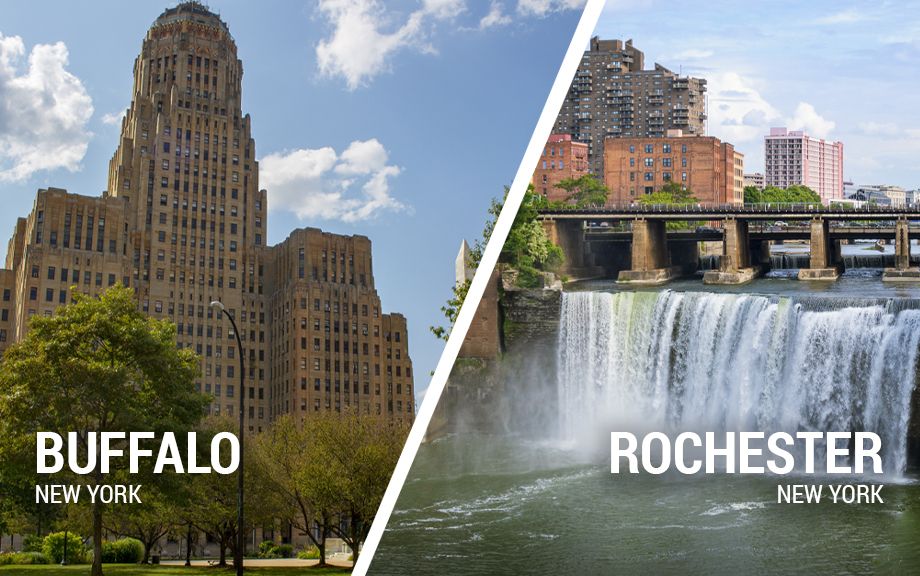
As part of the New York Fed’s efforts to understand economic conditions throughout the Federal Reserve’s Second District, the Community Development team meets with local leaders to hear about the economic experiences of low- and moderate-income communities. During a June visit to Rochester and Buffalo, a few themes emerged: housing challenges, the possibilities of AI, and workforce shortages. Leaders also spoke about challenges for community-based organizations.
Posted in Community Development | Permalink
February 12, 2026
An Economy That Works for All: Financial Inclusion
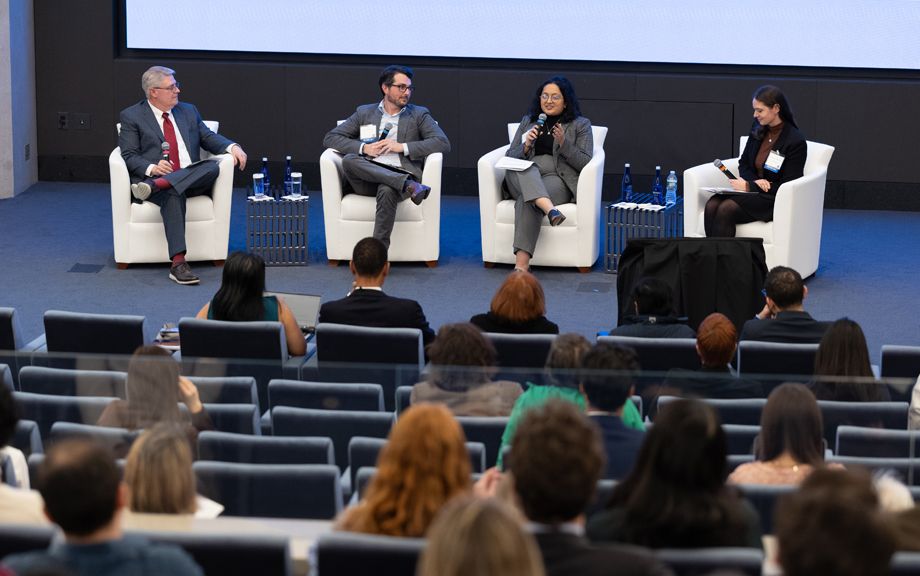
The theme of the New York Fed’s fifth annual “An Economy That Works for All” event was financial inclusion, defined as the availability of opportunities to access and participate in the financial system. The January event brought together researchers, educators, and nonprofit leaders to explore how financial literacy and innovation can strengthen household financial health and broaden economic opportunity.
Posted in Community Development | Permalink
January 13, 2026
Making Missing Markets: Connecting Communities and Capital
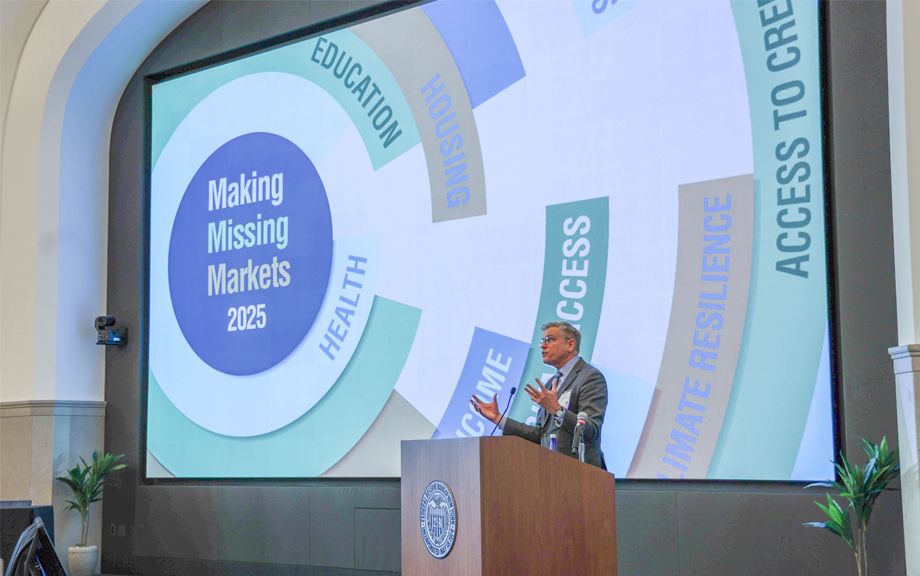
Nearly 500 entrepreneurs, community leaders, investors, and researchers participated in “Making Missing Markets: Connecting Communities and Capital,” a November event focused on fostering and improving markets channeling investments into under-resourced communities.
Posted in Community Development | Permalink
October 14, 2025
Exploring Institutional Investment in Multifamily Affordable Housing
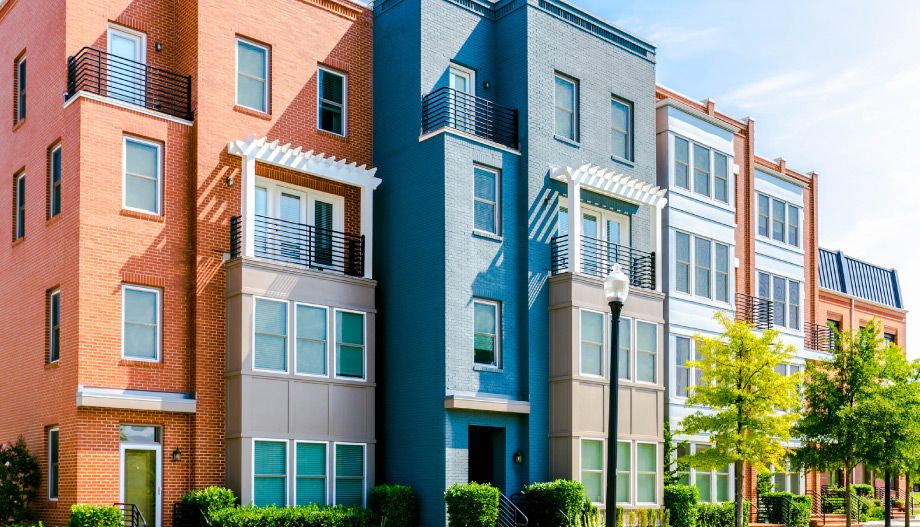
Housing affordability is a challenge throughout the Federal Reserve’s Second District, putting a strain on household finances and communities in urban and rural areas, big cities, and small towns. The Community Development team at the New York Fed has created a body of work around the development, financing, and rehabilitation of multifamily affordable housing, publishing papers on affordable housing investments by private investment vehicles and pension funds. The team has hosted events on local policies and approaches to developing and rehabilitating affordable apartments, as well as efforts by faith-based organizations, hospitals, and institutional investors to increase the supply of affordable homes.
Posted in Community Development | Permalink
February 19, 2025
Creating a More Robust Secondary Market for CDFI Loans: Insights from CDFI Loan Funds
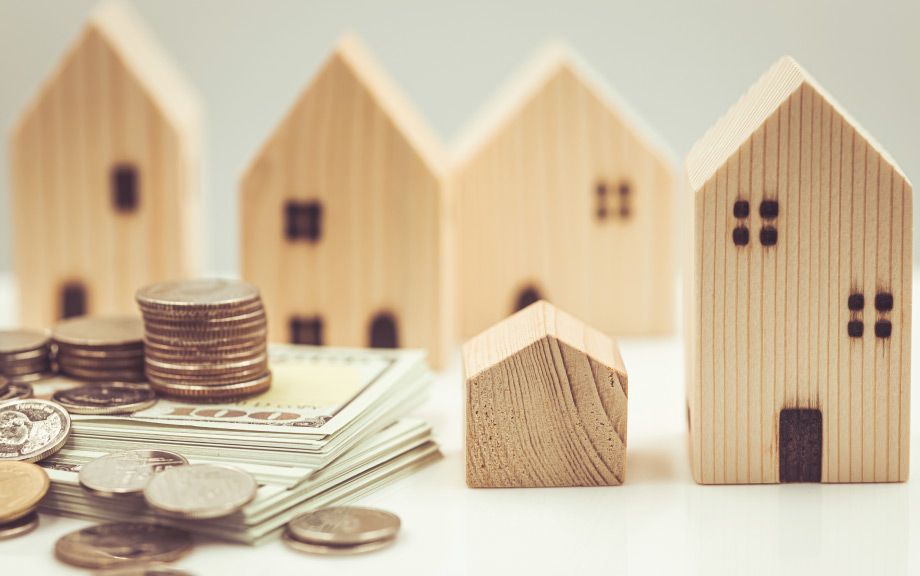
The New York Fed’s Community Development team has been studying how the secondary market for loans originated by Community Development Financial Institutions (CDFIs) could be expanded. A more robust secondary market for loans made by CDFIs, which specialize in lending to low- and moderate-income communities, would give CDFIs greater access to capital. That, in turn, could increase the capital available to borrowers in the rural communities, suburbs, and urban neighborhoods CDFIs serve.
Posted in Community Development | Permalink
October 30, 2024
The Future of New York City: Building on the Post‑Pandemic Jobs Rebound
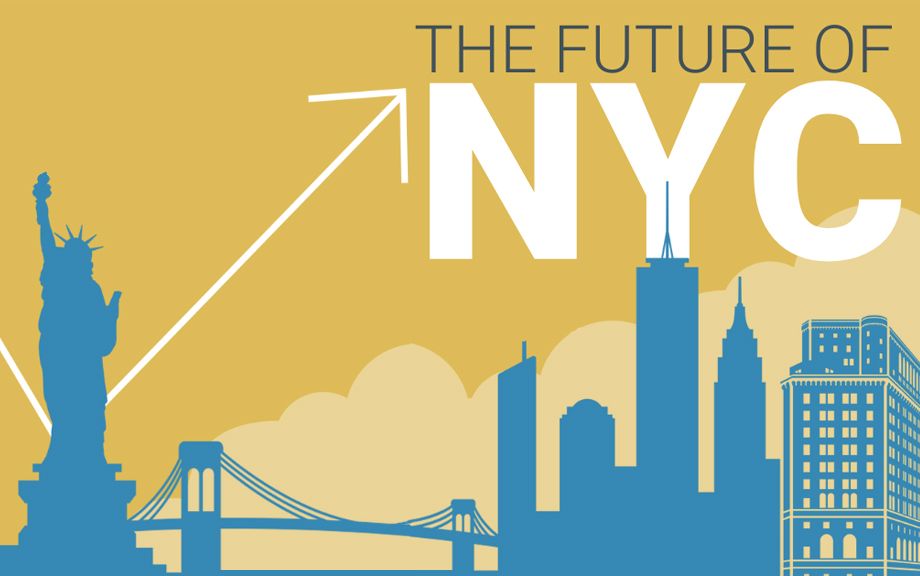
On October 4, the New York Fed hosted “The Future of New York City: Focus on Jobs.” Participants discussed New York City’s post-pandemic employment rebound, the geographic redistribution of jobs, and the workforce development challenges the city faces.
Posted in Community Development | Permalink
July 22, 2024
How Nonprofits Drive Economic Activity in New York’s North Country

On our recent regional visit to New York’s North Country, we heard from stakeholders that delivering essential social services can be a major challenge due to the area’s vast geography and low population density, and that the nonprofit sector plays a critical role in addressing this issue. Building on our earlier report, this article examines how nonprofits support low- and moderate-income communities in both small towns and larger municipalities across the North Country.
May 28, 2024
Charting a Path Forward for Puerto Rico’s Economy
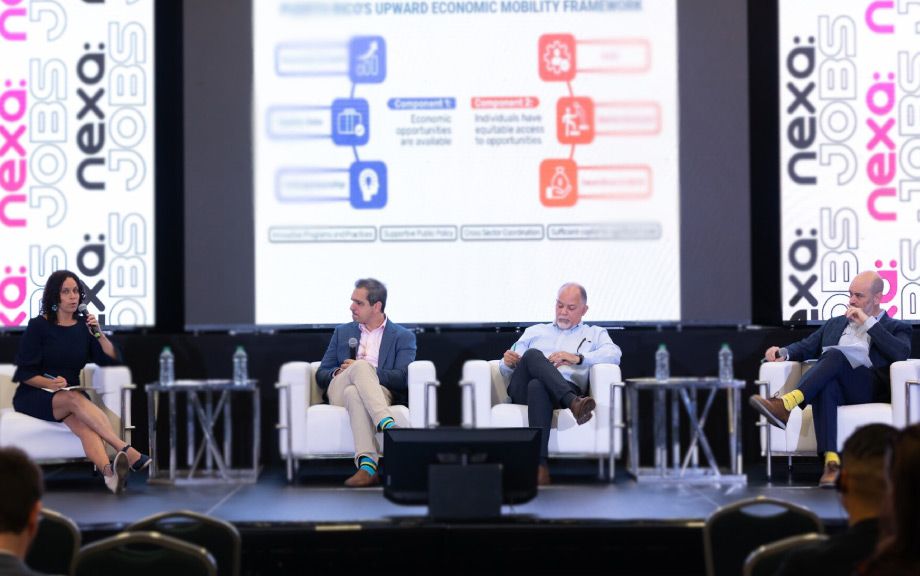
Puerto Rico is on the cusp of a once-in-a-generation opportunity to reshape its economy. That was the consensus at the NEXA Jobs Summit in San Juan, Puerto Rico on April 10-11. This gathering, organized by the Platform for Social Impact, brought together leaders from community and economic development, government, academia, and the private sector. Participants explored how Puerto Rico could take advantage of government and private funds, economic momentum following more than a decade of recession, and a young and capable workforce to develop quality jobs on the Island and address long-term poverty and economic insecurity.
Posted in Community Development | Permalink
