











As part of the New York Fed’s efforts to understand economic conditions throughout the Federal Reserve’s Second District, the Community Development team meets with local leaders to hear about the economic experiences of low- and moderate-income communities. During a June visit to Rochester and Buffalo, a few themes emerged: housing challenges, the possibilities of AI, and workforce shortages. Leaders also spoke about challenges for community-based organizations.
Housing Affordability and Availability
Buffalo is the second-largest metropolitan area in New York State; Rochester is the state’s third largest. Leaders in both cities stressed the need to maintain and build affordable housing, emphasizing that new public and private investments present an opportunity to reverse decades of declining population and employment growth.
Local leaders said area landlords were stung by tenants unable to pay during the pandemic. As a result, landlords are increasingly risk-averse and unwilling to work with tenants experiencing financial hardship, instead opting for housing court. “Higher food prices, increased utility costs, and emergency expenses can quickly lead households into financial or housing instability,” said Carol Wheeler, manager of housing for the City of Rochester.
Meeting participants spoke about the growing housing affordability gap for middle-income earners such as teachers, healthcare workers, and early-career families. Potential homebuyers are often held back by high student loan payments and debt-to-income ratios, they said. On the positive side, Karla Gadley, Community Reinvestment Act officer at Five Star Bank said some first-time homebuyers are leveraging programs from the Federal Home Loan Bank of New York and buyer assistance programs from local financial institutions and nonprofits to create “grant stacks” to assist with downpayment and closing costs.
Workforce Challenges
Workforce shortages and structural challenges threaten long-term regional economic growth, a local business association leader said.
Employers are concerned about replacing experienced workers due to a wave of retirements they call the “silver tsunami.” Barriers to employment include difficulty accessing transportation, getting a driver’s license, finding affordable childcare, having documentation, and connecting to broadband. Some younger people are questioning traditional career pathways like college, but alternative career pipelines need better support at the middle- and high-school levels. While international graduates from schools including the Rochester Institute of Technology and University at Buffalo could present a growth opportunity for the region’s workforce, many leave the area upon graduation, community leaders said.
Community-Based Organizations
Nonprofit leaders echoed a common concern: organizations face the cumulative strain of staff burnout, high turnover, loss of senior employees, and funding uncertainty. Many of these challenges began during the pandemic and have since intensified. Federal funding cuts have constrained nonprofits’ capacity, and some face the real possibility of closure. Some nonprofits said they’re forming partnerships to pool resources and reach more residents.
Community leaders see great interest in using AI to help grow small businesses and bolster nonprofits. A foundation executive noted that some understaffed nonprofits are using AI to increase productivity without adding staff. “Area nonprofits are exploring how AI might support grant writing, program design, and evaluation, particularly for smaller organizations,” said Beth Gosch, chief executive officer of the Western New York Foundation. Leaders agreed that training could help local businesses and nonprofits get more out of AI.
In Buffalo, community advocates highlighted ambitious, collaborative efforts focused on neighborhood revitalization. An initiative to transform the Upper Broadway-Fillmore area is focused on literacy programs, employment pipelines, improved access to healthcare, housing rehabilitation, and expanded access to healthy food.
Pastor George Nicholas, CEO of the Buffalo Center for Health Equity, said the people of the region need investments in comprehensive strategies focused on improving their lives to create lasting change. “We need to invest in all the steps necessary for community transformation, not isolated, disconnected ‘good tries,’” he said.
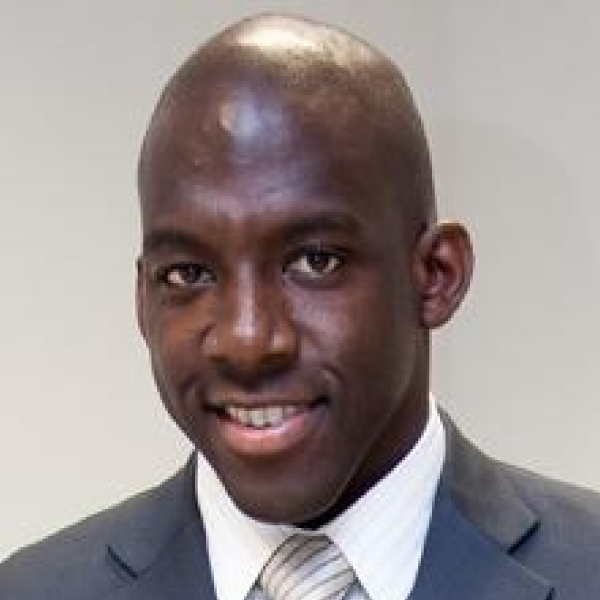
Tony Davis is the director of community outreach and health in the Communications and Outreach Group at the New York Fed. He focuses on issues related to health and economic development.
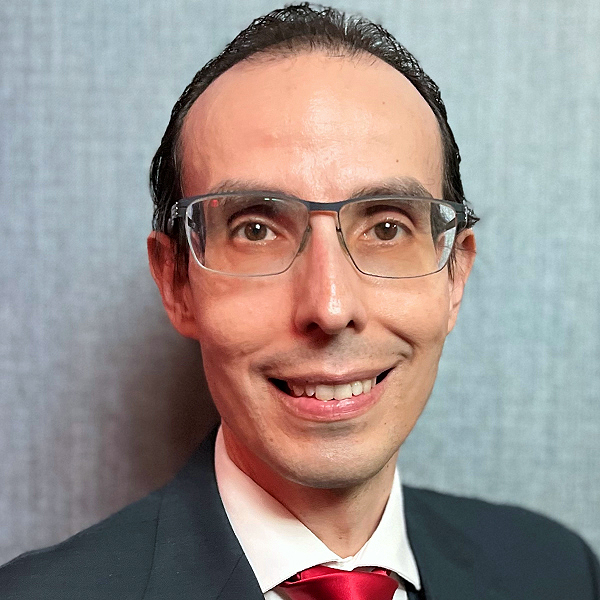
Javier Silva is a community development senior associate director in the Communications and Outreach Group at the New York Fed. He focuses on issues related to climate, health, small business, and Puerto Rico and the U.S. Virgin Islands.
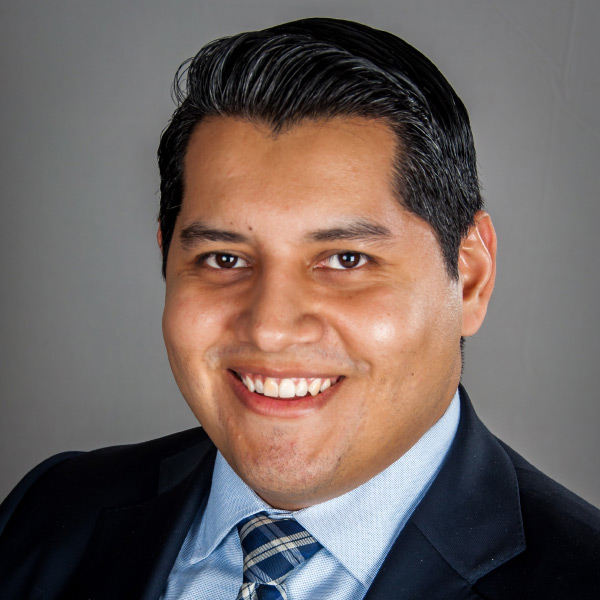
Edison Reyes is a strategic operations lead in the Communications and Outreach Group at the New York Fed.
The views expressed in this article are those of the contributing authors and do not necessarily reflect the position of the New York Fed or the Federal Reserve System.
