







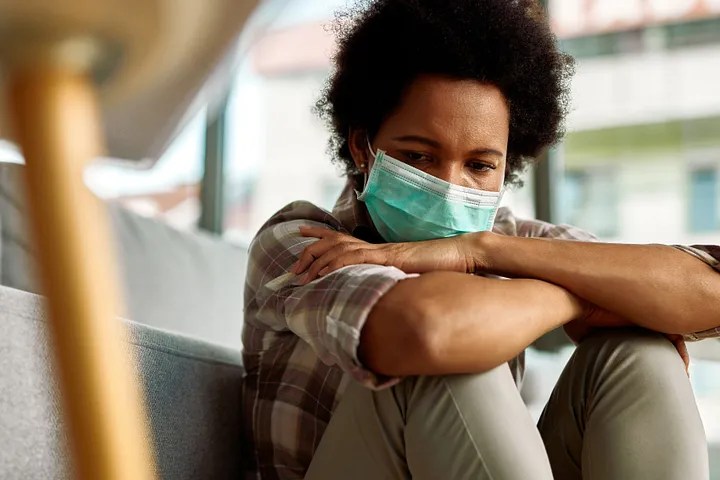
Missed deadlines, chronic absenteeism, conflicts among colleagues: Even before the COVID-19 pandemic, depression and anxiety took a toll in the workplace, costing the global economy about $1 trillion every year in lost productivity.

At the New York Fed, our mission is to make the U.S. economy stronger and the financial system more stable for all segments of society. We do this by executing monetary policy, providing financial services, supervising banks and conducting research and providing expertise on issues that impact the nation and communities we serve.

Missed deadlines, chronic absenteeism, conflicts among colleagues: Even before the COVID-19 pandemic, depression and anxiety took a toll in the workplace, costing the global economy about $1 trillion every year in lost productivity.
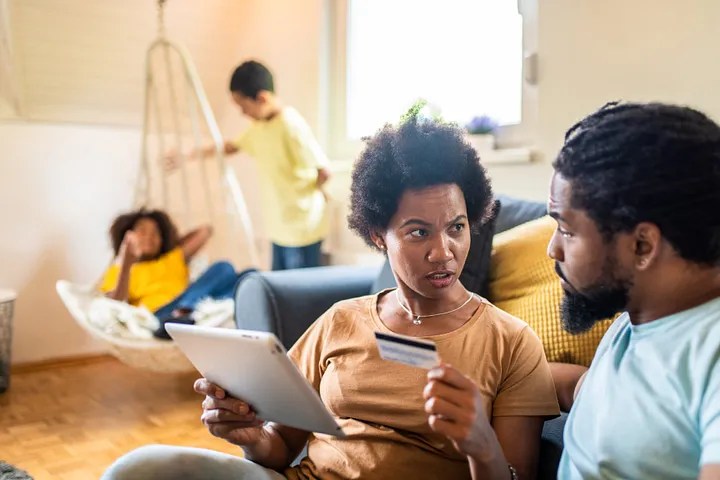
The New York Fed’s Community Development Team has adopted a new strategy, focusing its energies on three key areas: health, climate, and household financial wellbeing. Our goal is to identify emerging solutions — especially those focused on fostering racial equity and improving life for underserved communities. In this post, we take a closer look at the financial challenges households face and their effect on the wider economy. We also invite you to an event on June 3 at which we will outline our approach to these focus areas.
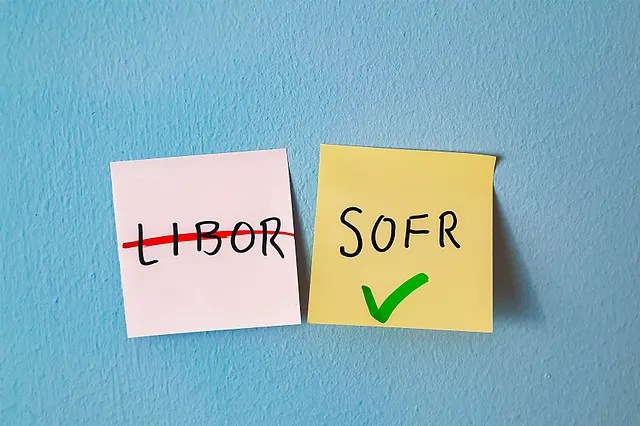
On Tuesday, May 11, New York Fed President John Williams spoke at a webinar hosted by the Alternative Reference Rates Committee about key principles to keep in mind in the transition off the London Interbank Offered Rate (LIBOR).
On Monday, May 3, New York Fed President John Williams spoke at the Women in Housing and Finance 2021 Annual Symposium about the economic outlook and recovery from the pandemic.
The New York Fed’s Community Development team has adopted a new strategy, focusing its energies on three key areas: health, household income, and climate change. Our goal is to connect emerging solutions — especially those focused on fostering racial equity and improving life for underserved communities — with funding. This post is the first of three about these focus areas.
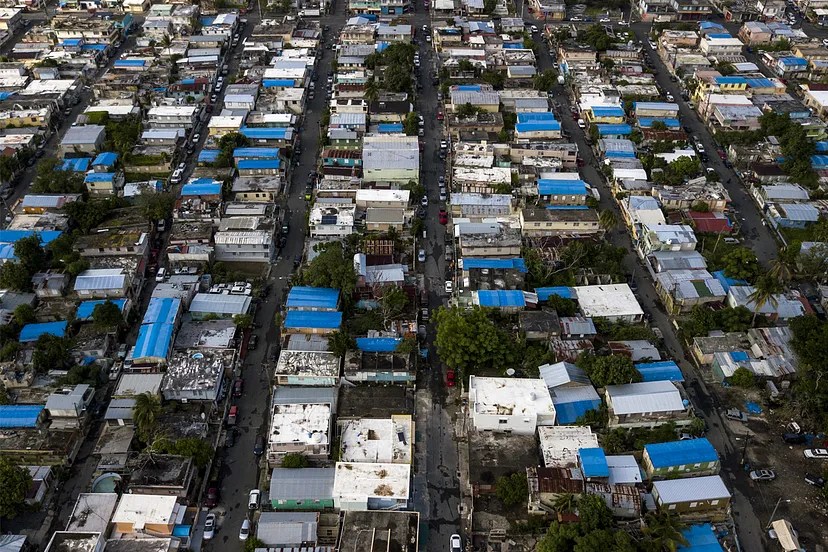
Editor’s note: In December, the New York Fed hosted a roundtable discussion as part of Investment Connection in Puerto Rico, a program that matches financial institutions and other capital providers with nonprofit and community development organizations working in Puerto Rico whose needs may qualify for credit under the Community Reinvestment Act. This guest column was contributed by one of the New York Fed’s community development partners in connection with that event. The views presented are the author’s alone and are offered to contribute to discussions on this topic.
Editor’s note: On Friday, November 20, the New York Fed and Yerba Buena Center for the Arts (YBCA) will host “Mobilizing Capital: Artists’ Impact on Community Health and Wellbeing,” a webinar focusing on artists’ contributions to building an equitable economy and healthy communities. This guest column was contributed by one of the New York Fed’s community development partners in connection with that program. The views presented are the author’s alone and are offered to contribute to discussions on this topic.
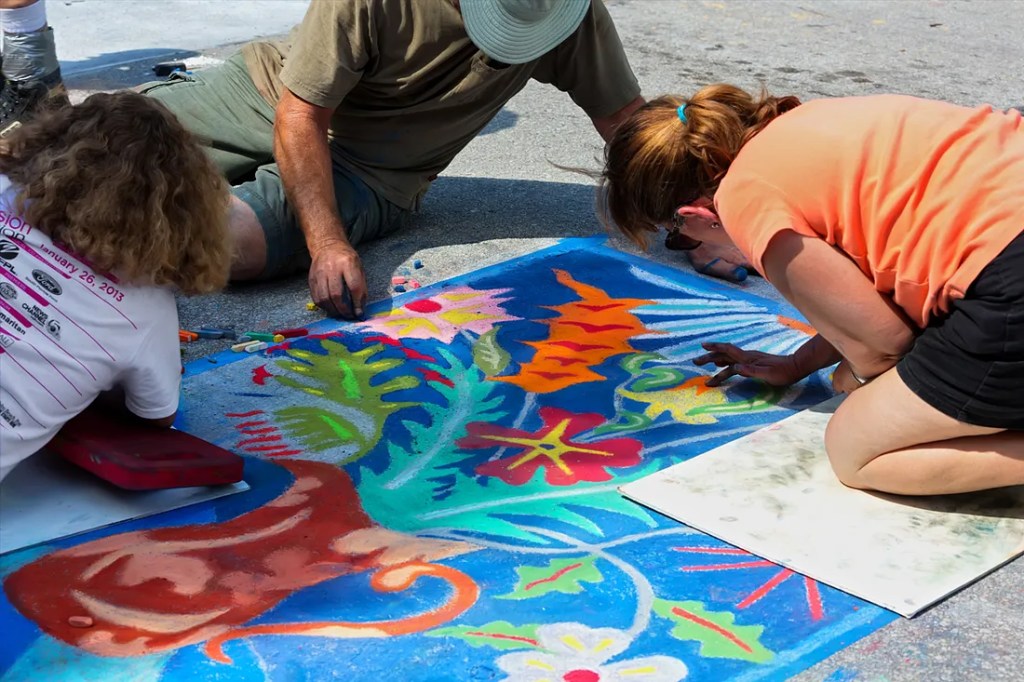
Prior to the onset of the COVID-19 pandemic, unemployment in the United States was at historical lows, and the economy was enjoying a record expansion. But, the headline numbers and positive data trends notwithstanding, a disproportionate number of American families were struggling with low-paying jobs and rising levels of household debt. Now, the pandemic has damaged all sectors of the economy and has led to the highest rates of unemployment since the Great Depression. Low- and moderate-income communities and communities of color in particular have borne the brunt of the economic recession, which has only magnified health and racial inequities and the urgency of building a more equitable economy for all. Arts and culture are central to an equitable recovery, as they highlight local needs not reflected in the data, encourage participation by groups often left out of plans and discussions, and allow many community members to benefit from economic transformation and growth. Here, we highlight resources for identifying arts and culture strategies that may support this vision for the economy during the recovery from COVID-19.
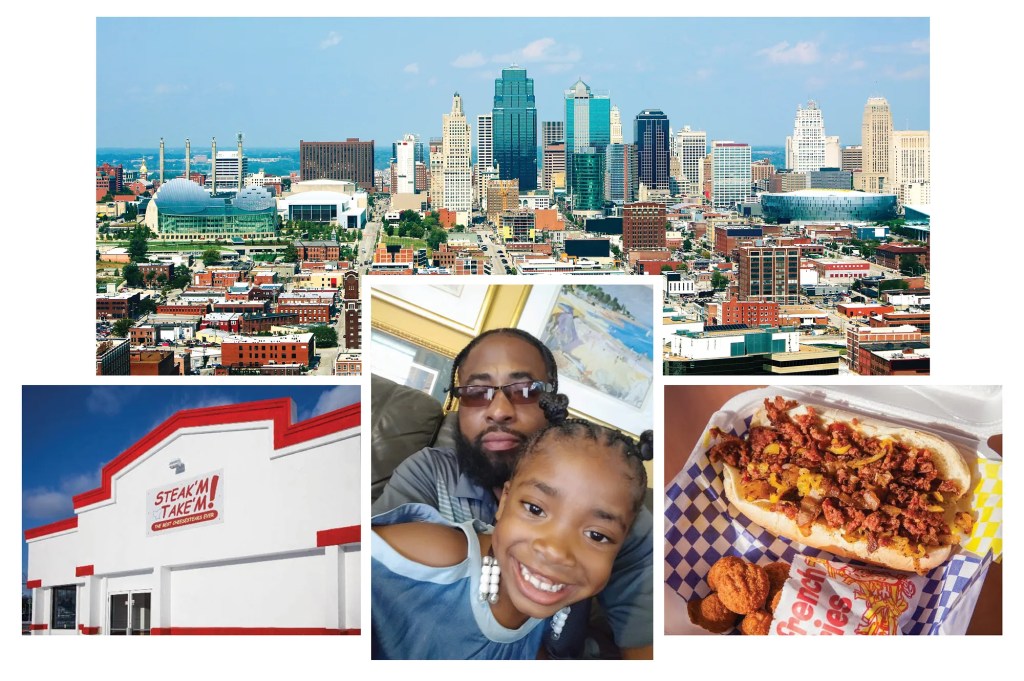
The night before certain Kansas City restaurants stopped smelling like barbecue, Justin Ikerionwu paused the TV to look out of his apartment window at downtown. He felt himself going down a rabbit hole of fear, consumed with what was known and unknown about COVID-19 and the way his Missouri community was shutting down. The streets below were empty.

Rocky Ridge Gas + Market doesn’t have an address — not a number, not a street name. Instead, those headed for it are told it’s one mile south of Rocky Ridge Boarding School in Navajo Nation down a dirt road, the one that curves around the market’s lone gas pump before continuing across brown and barren land.
