










A recap of insights, analysis and discussions we don’t want you to miss. Each month we compile key highlights from selected publications, events and perspectives to provide you with a deeper look into the work we do at the New York Fed.
September 1, 2017
August 10, 2017
Over the River and Through the Adirondacks: What We Learned in New York’s North Country Region
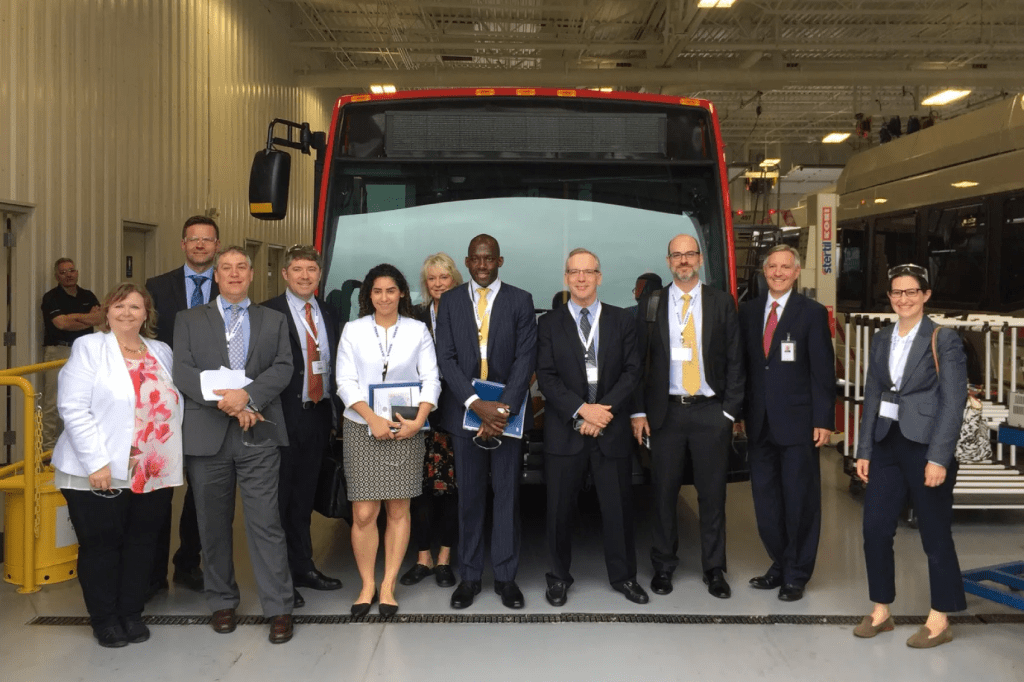
For our second regional visit of the year, we ventured about as far north as you can go in New York State, spending two days in June in the North Country region, where President Dudley and members of our staff visited Plattsburgh, Potsdam, and Fort Drum, in Jefferson County near Watertown. The local leaders we met with told us about successes and challenges alike, including the significance of having Canada as a close neighbor; concerns related to workforce development, demographics, and access to broadband; why collaboration matters for regional businesses and institutions; and how Watertown has a unique relationship with Fort Drum, a major military installation in the area.
Posted in Regional Visits | Permalink
August 4, 2017
Monthly Wrap‑Up: July 2017
A recap of insights, analysis and discussions we don’t want you to miss. Each month we compile key highlights from selected publications, events and perspectives to provide you with a deeper look into the work we do at the New York Fed.
August 2, 2017
Latino‑Owned Small Businesses: Critical to U.S. Economic Success

There’s no question that Latino-owned small businesses are critical to U.S. economic success. After all, Latino entrepreneurs have the highest growth rate of all ethnic groups in the United States, and Latino-owned businesses are responsible for hundreds of billions of dollars in sales annually. Despite these successes, many Latino-owned small businesses lack the financing necessary to grow.
Posted in Community Development | Permalink
July 28, 2017
Central Bankers and Balance Sheets

Earlier this month at the New York Fed, we co-hosted a conference with Trish Mosser of Columbia’s School of International and Public Affairs on normalizing central banks’ balance sheets. This was the second workshop we’ve done, and we had current and former central bankers, academics, market participants, and the press in attendance. While last year we focused on what had been learned about implementing monetary policy following the crisis, this year we focused on what the “new normal” might be for central banks’ balance sheets. For those interested in learning more about what was discussed, the presentations from the event are now available on our website.
Posted in Monetary Policy Implementation | Permalink
July 13, 2017
The FX Global Code: Lessons Learned and Next Steps
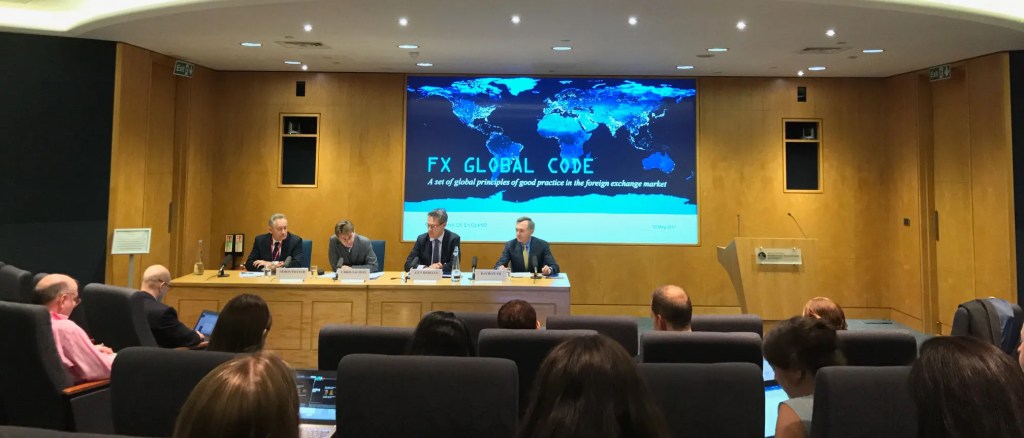
This speech was originally published on the New York Fed website.
Good morning. It is a pleasure to return to FX Week USA, and I would like to thank FX Week for the invitation. Foreign exchange (FX) market participants play important roles in their interactions with the New York Fed. They act as FX trading counterparties of the New York Fed and they provide information on market conditions to support the Desk’s monitoring of financial markets and transmission of policy. I am pleased to have the opportunity to speak with you today. Before I begin, I would also like to note that my comments today reflect my own views and not necessarily those of the Federal Reserve Bank of New York or the Federal Reserve System[1]. However, remarks on the expectations for FX counterparties reflect the policies of the Federal Reserve Bank of New York.
Posted in Financial Markets | Permalink
July 11, 2017
Monthly Wrap‑up: June 2017
A recap of insights, analysis and discussions we don’t want you to miss. Each month we compile key highlights from selected publications, events and perspectives to provide you with a deeper look into the work we do at the New York Fed.
June 30, 2017
Understanding Fed21: A Collaboration Between Professors and the New York Fed
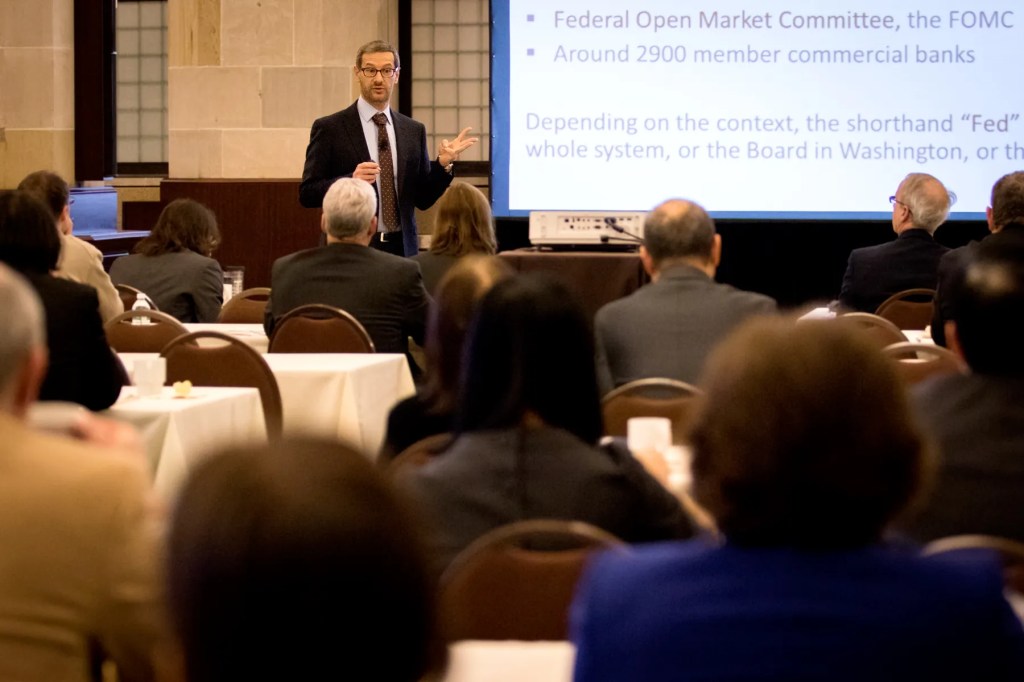
Just as economists strive to identify the latest, most accurate data and trends, so too do economics and business professors at colleges and universities. After the 2008 financial crisis and recession and the increased interest they elicited, the New York Fed realized that an opportunity existed to partner with higher education to foster a greater understanding of the Federal Reserve, monetary policy, and the financial system.
Posted in Economic Education | Permalink
June 23, 2017
A Day on the Road in the World’s Borough— Queens, New York
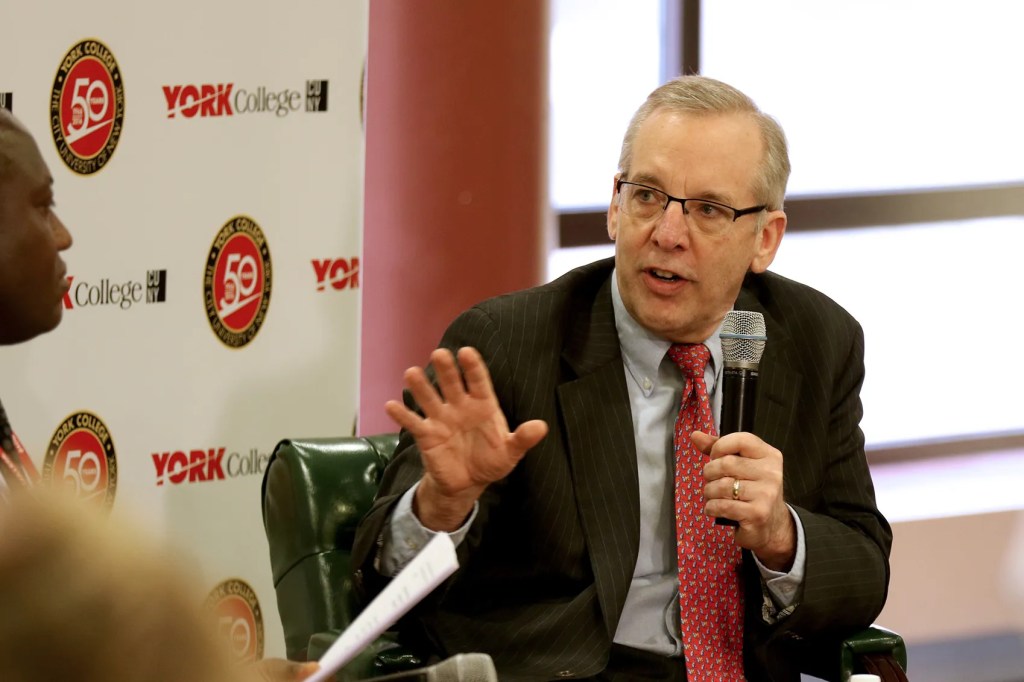
The New York Fed’s regional visits typically take our team many hours and miles away from our office in Lower Manhattan. There is, in fact, a lot of ground to cover in the Second District. But in March, we stayed closer to home, with a visit to New York City’s remarkably diverse borough of Queens.
Posted in Regional Visits | Permalink
June 22, 2017
We Are the Road Crew: Touring the Second District
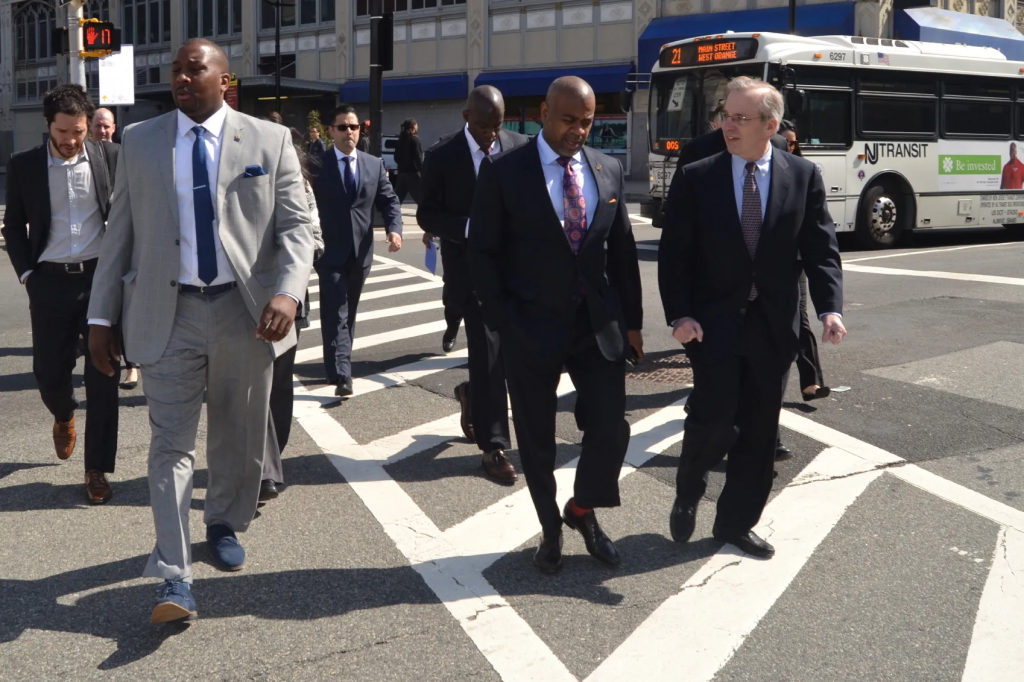
The New York Fed’s regional roadshows — quarterly trips to different parts of the Second District — help us maintain connections with the people and communities we serve, gather insights into local economic conditions and share research on the regional economy. On these visits, President Dudley and other New York Fed staff meet with business leaders, public officials, representatives from local community and economic development organizations, students and educators to get a sense of how the real economy is performing and impacting their communities.
Posted in Regional Visits | Permalink
