










A recap of insights, analysis and discussions we don’t want you to miss. Each month we compile key highlights from selected publications, events and perspectives to provide you with a deeper look into the work we do at the New York Fed.
June 9, 2017
June 2, 2017
What Might the Fed’s Balance Sheet Look Like in the Future?

In recent months, there has been a lot of discussion around the normalization of the Federal Reserve’s balance sheet. As policymakers continue their discussion of potential reductions in the Fed’s securities holdings, questions frequently arise on what the balance sheet might look like in the future. In particular: How big will it be?
Posted in Monetary Policy Implementation | Permalink
May 4, 2017
Monthly Wrap‑up: April 2017
A recap of insights, analysis and discussions we don’t want you to miss. Each month we compile key highlights from selected publications, events and perspectives to provide you with a deeper look into the work we do at the New York Fed.
April 7, 2017
Monthly Wrap‑up: March 2017
A recap of insights, analysis and discussions we don’t want you to miss. Each month we compile key highlights from selected publications, events and perspectives to provide you with a deeper look into the work we do at the New York Fed.
December 8, 2016
Exploring Online and Offline Informal Work: Findings from the Enterprising and Informal Work Activities (EIWA) Survey

In the fourth quarter of 2015, the Federal Reserve Board conducted a nationally representative survey of adults 18 and older to track online and offline income-generating activities as well as their employment status during the six months prior to the surveys. The Enterprising and Informal Work Activity (EIWA) survey explores why individuals undertake alternative work arrangements by asking questions that capture participant motives and attitudes towards informal offline and online paid work activities.
Posted in Community Development | Permalink
November 21, 2016
Why Some Workers Love the Gig Economy

The gig economy remains fairly small — for now. Both RAND and JPMorgan Chase find that only about 0.5 percent of Americans earn labor income through gig platforms. However, this form of work is growing quickly. The JPMorgan analysts also reported that the number of Americans working in the gig economy grew by more than a factor of 50 between 2012 and 2015. The most prominent gig economy company — Uber — has quadrupled in size in less than two years. Uber grew from 160,000 active driver-partners in December 2014 to over 680,000 in September 2016.
Posted in Community Development | Permalink
November 17, 2016
Evolution of Work

How we work, where we work, and what we do. The answers to these questions are rapidly evolving and those responsible for supporting the workforce need to understand all facets of this evolution.
Posted in Community Development | Permalink
November 16, 2016
How Can We Address the Evolution of Work?

Tomorrow, Freelancers Union, with the New York Fed and Board of Governors of the Federal Reserve System, will host Evolution of Work. This event will bring together diverse leaders from industry, labor, government, academia, and the social sector to explore how work is evolving, the size and impact of the gig economy, and policy to support the next workforce.
Posted in Community Development | Permalink
November 10, 2016
Reforming Culture Is Difficult but Achievable: Final Thoughts
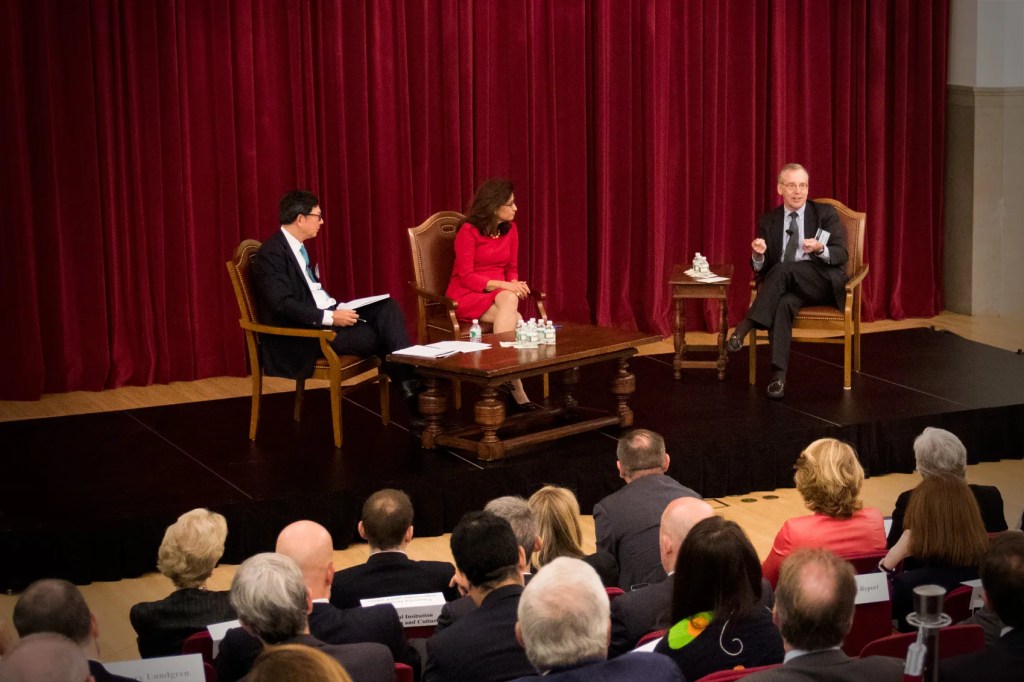
A few weeks ago, we held our third conference at the New York Fed on reforming culture in financial services. Leading up to the conference, we shared some of what our moderators and participants were hoping to discuss throughout the day. Now that the conference is over, I wanted to take a few moments to discuss some of what we heard.
Posted in Banking Culture | Permalink
Criminal Accountability and Culture

This is being published from the New York Fed by a guest writer as part of Reforming Culture and Behavior in the Financial Services Industry: Expanding the Dialogue. The views of the author are his own and are offered by the New York Fed to contribute to discussions on this topic.
Posted in Banking Culture | Permalink
