








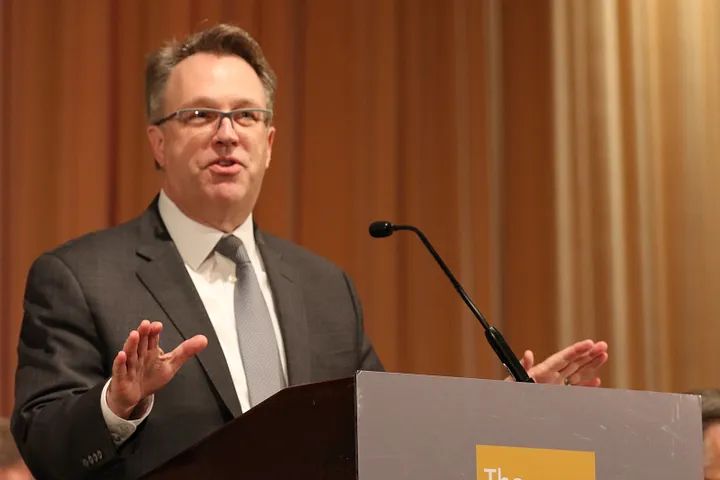
On Wednesday, March 6, New York Fed President John Williams spoke to the Economic Club of New York. He discussed the current economic outlook, the fundamental drivers behind slower growth, and what that means for the path of monetary policy.

At the New York Fed, our mission is to make the U.S. economy stronger and the financial system more stable for all segments of society. We do this by executing monetary policy, providing financial services, supervising banks and conducting research and providing expertise on issues that impact the nation and communities we serve.

On Wednesday, March 6, New York Fed President John Williams spoke to the Economic Club of New York. He discussed the current economic outlook, the fundamental drivers behind slower growth, and what that means for the path of monetary policy.
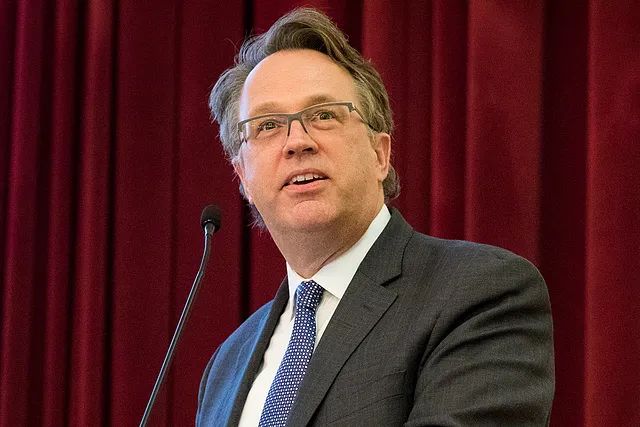
On Friday, January 18, New York Fed President John Williams described the current economic outlook and gave his views on monetary policy to a meeting of the New Jersey Bankers Association. In his remarks, President Williams emphasized that his views on monetary policy are data dependent.

President Williams’ final regional visit of the year was to the Bronx, a borough that has made great strides since a period of declining population and rising crime that stretched from the 1970s into the 1980s. The progress of the last few decades notwithstanding, the Bronx still lags economically behind the rest of New York City, with the lowest median household income and highest poverty rate among the five boroughs. During his daylong visit, President Williams met with local nonprofits, businesses, and community leaders to discuss efforts to strengthen the local workforce, challenges facing small businesses, strategies to promote development without displacement, and the importance of anchor institutions and public-private partnerships.
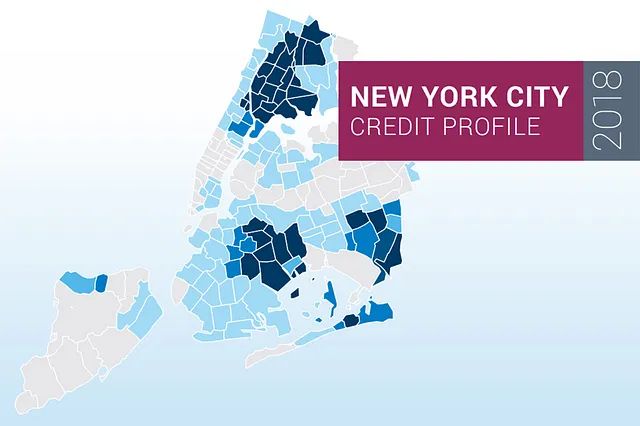
New York City has one of the weakest credit inclusion rates in the nation, according to a recent New York Fed report. Data in our New York City Credit Profile show that 22.2% of city residents were not included in the credit economy as of the fourth quarter of 2017. That means over 1.5 million adults were without a credit file or a credit score and without ready access to mainstream financial lenders.

LIBOR is often dubbed “the world’s most important number” and you’ve likely heard about widespread manipulation of the benchmark rate that resulted in significant fines for some banks.
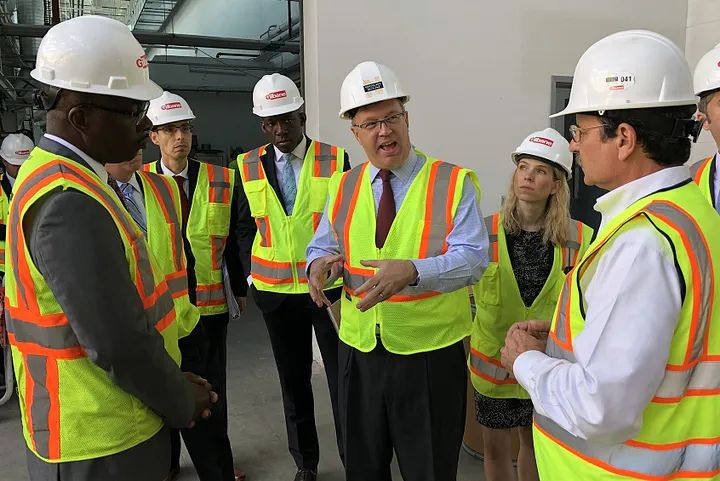
President Williams’ second visit into the district took him to Buffalo and Niagara Falls, where he discussed the Western New York economy with local officials, private sector representatives, and community leaders. A number of common themes emerged over two days of engagements, including the need for investment in new infrastructure and transportation, the reuse of existing resources, the importance of the Buffalo Niagara region’s relationship to Canada, and the value of cooperation between public institutions, private interests, and nonprofit organizations.
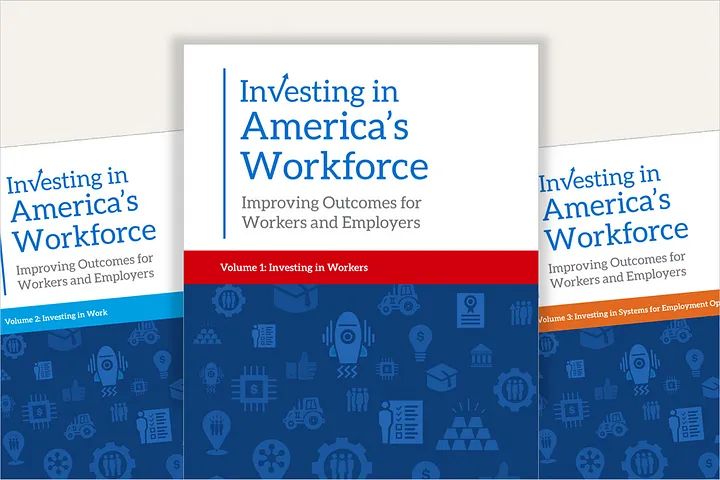
Continuing from a post earlier this year about the Federal Reserve System-led IAW initiative, I am pleased to announce the release of Investing in America’s Workforce: Improving Outcomes for Workers and Employers. As co-editor of the publication, I am excited about the release of this three-volume collection that features the knowledge and experience of workforce and community practitioners, and scholars from around the nation. On Friday, November 9, 2018, the New York Federal Reserve Bank will host and co-sponsor the Investing in America’s Workforce Book Launch Event. Over 100 participants will join me to hear 20 national leaders discuss systemic barriers to employment and the strategies and investments that are helping to overcome those barriers.
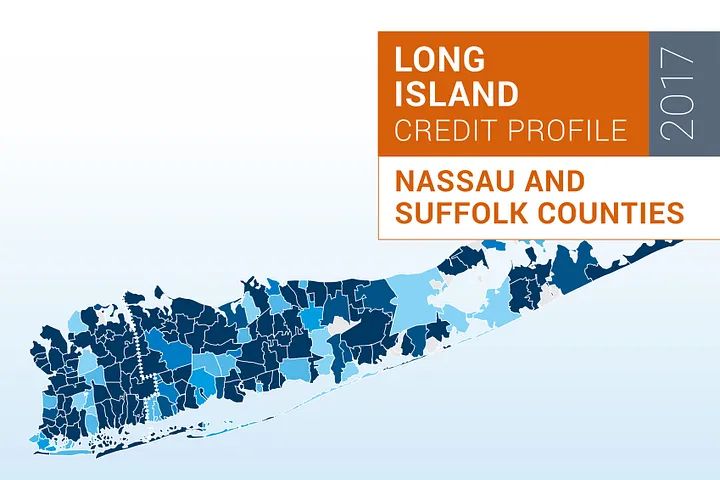
Earlier this year, the New York Fed released the Long Island Credit Profile, the second in a series of reports examining select geographies in depth using the Community Credit framework and indicators. See our previous post detailing the framework for how to interpret the analytics for practice.
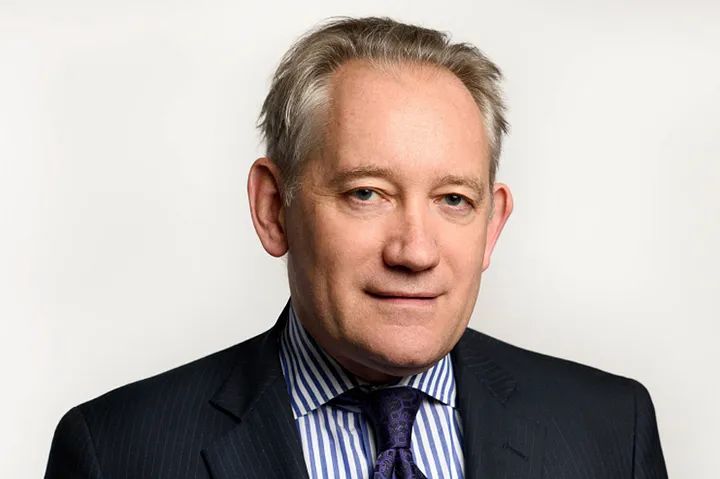
This morning, New York Fed EVP Simon Potter, who heads the Markets Group, spoke at a conference in Paris, France. The remarks, titled “U.S. Monetary Policy Normalization is Proceeding Smoothly,” were delivered at “Exiting Unconventional Monetary Policies,” a conference co-hosted by the Euro 50 Group, CIGI, and the China Finance 40 Forum.

It is increasingly apparent that inclusive growth is an accelerator in achieving the potential of economic growth. There is statistical evidence that inequality inhibits overall productivity, yet it remains a persistent issue for many communities. While this is a global phenomenon, we don’t need to look far to see anecdotal evidence of a widening disparity in the distribution of the benefits of a growing economy.
